If you're ready to make a lasting lifestyle change


without harmful side effects


we can help.




beat weight gain and lifestyle diseases.


We are nutrition, behavior change, and weight loss specialists on a mission to help others

About
You, us, and the program.
We aren't interested in a temporary guest appearance of a healthier you. This isn't a "30-day challenge" or a "6-week shred." Rewiring your brain takes longer than that. It takes time to build a new foundation, replace old habits, and encase them in cement rather than sand. This is a deep dive into your own health, and we’re with you every step of the way.
Life is going to throw you curveballs in six months; when that happens, we’ll still be right there in your corner. We’re here to make sure those old habits and chronic conditions don't just "creep back" - we’re locking the door on your past and throwing away the key.
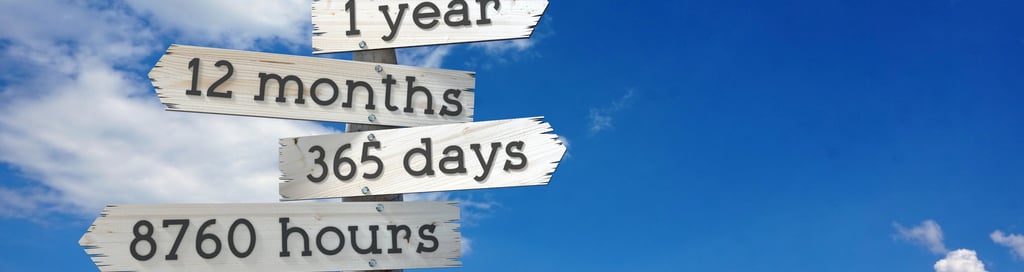
1. It lasts one year - we're in it for the long haul.
3. We start fast, then shift into cruise control.
For the first eight weeks, we’re all-in together. We’ll meet via video twice a week for our signature "Jam Sessions."
Brain Jame: 60 minutes of high-energy learning, strategy, and support
Cooking Jams: Usually 60 minutes but occasionally longer when we're on a roll
Screen Jams: 90 minutes of eye-opening discovery on your own time whenever it's good for you
Solo Jams: Optional 45-minute tactical sessions via video once or twice a month with your wingman
By months 3-4, you’ll have a solid foundation, so we'll start to slowly reduce the frequency. We’ll meet online every other week for a Brain Jam and cut the Screen Jams in half to two a month.
We'll officially be done with our regular Cooking Jams by month three, but we like to keep things spicy. So keep your apron handy for potential bonus Cooking Jams throughout the year.
For the home stretch, months 5–12, we’ll move to once-a-month Brain Jams and Screen Jams to ensure you still have support. All told, you’re getting about 70 hours of life-changing content—and that’s not even counting your Solo Jams!
The image below shows things graphically but does not include optional Solo Jams or any extra Cooking Jams we may include in months 3-12.
4. We're better together - The Power of a Tribe
Why group sessions? Because they work! There’s an undeniable spark of energy, camaraderie, and shared "win" when you’re part of a tribe. You’ll learn from others, support your peers, and realize that your "struggles" are actually pretty normal.
Think of it as having a whole team of people rooting for you. And if you want a personal wingman - which most people do - you can add private sessions with a coach who’s an expert in nutrition, behavior change, and weight loss. You’ll work with real, live humans who will walk this adventure right beside you. No bots, no generic scripts—just real people helping you win.
5. You can only do this program once.
Don’t take that the wrong way, but our goal is to see you healthy and happy for the rest of your life—without us! When a program actually works and you’re fully committed, once is all you need.
That’s why we only accept people who are ready to dive into the whole experience: the group sessions, the movie nights, the cooking jams, and the fun of experimenting with real food. We promise we won’t ask you to eat bugs or run marathons, but we will help you make gradual, manageable changes that add up to massive results.
If you’re ready to commit to the process, we’re ready to make sure this is the last "health program" you ever need. Mission accomplished.
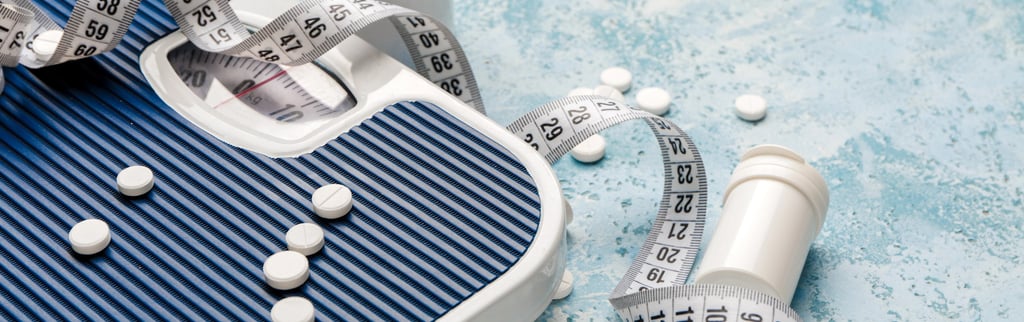
6. We don't sell weight-loss drugs...
Weight-loss drugs might seem like a shortcut, but for most, they’re a dead end. Here’s the un-fun truth: only about 4% of users ever actually reach a healthy weight. Within six months, 80% of people call it quits because they’re tired of living with the nausea, vomiting, acid reflux, and risks of serious stuff like kidney issues or pancreatic cancer.
Even if you can stomach the side effects, the results are... underwhelming. After a year on the max dose, the average loss is just 34 pounds, and you - or your insurance - have to pay for it forever just to keep those pounds off. The second you stop, the weight comes roaring back, often leaving you with less muscle and more fat than when you started. We’d rather teach you how to "own" your health for a lifetime than "rent" it by the month.
2. You can do it from anywhere - even in your pajamas.
10 THINGS TO KNOW ABOUT THE PROGRAM
...or supplements...
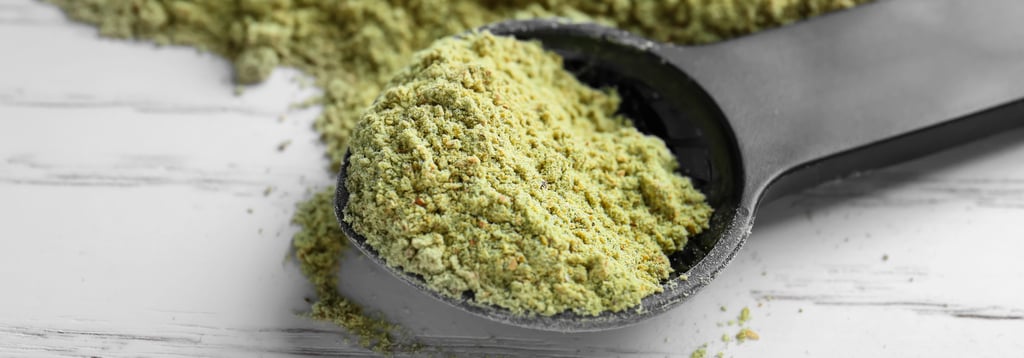
Just like the meds, pills and powders aren't the magic ticket. The best evidence we have shows that while a few specific supplements can be helpful, many can actually lead to worse health outcomes and shorter lives.
Why? Because nature is smarter than a laboratory. The protective elements in food—like vitamins, minerals, and antioxidants—are designed to be a package deal. They work together in a beautiful, complex synergy that isolated pills just can't replicate. Trust us, we’d love nothing more than to live on ice cream all day and just "fix it" with a handful of pills. But that’s simply not how the human body works. Believe us, we were just as disappointed as you are to find that out!
...or junk that pretends to be healthy.
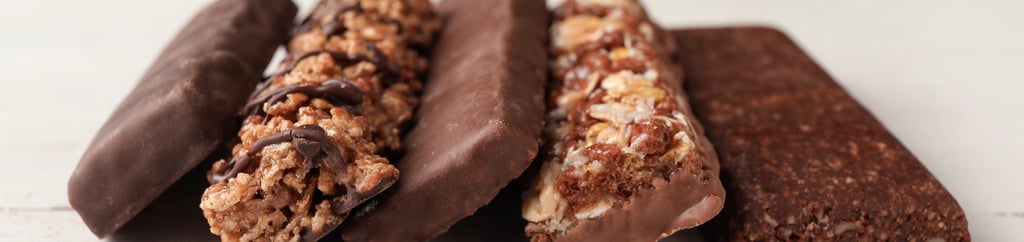
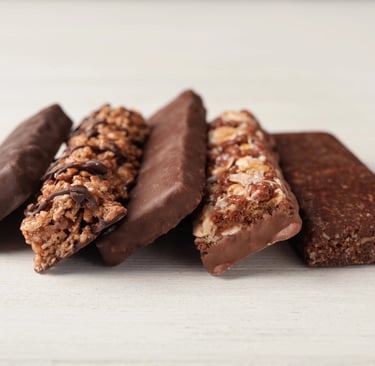
Just because a box says it’s "healthy" doesn't mean it's actually food. Processed junk is still junk, even if a famous health brand made it. Those expensive bars and "diet" drinks are usually just chemistry projects designed to look like a meal. They rarely benefit your health, and they definitely don't benefit your bank account.
Nature doesn't need a marketing department. An apple doesn't have an ingredient list, and a potato doesn't need a celebrity endorsement. We focus on food that grows slowly—soaking up the sun, soil, and water—rather than products assembled fast in a factory. We’re trading the man-made "fast food" for the nature-made "real food" that actually heals you from the inside out.
7. Don't wait for the starting whistle - apply early.
Our groups only launch a few times a year, and we keep them exclusive to protect the "fun" and the focus. Applying as soon as possible ensures you don't get left on the sidelines. It also gives you time to give your doctor a "heads-up."
Because this lifestyle is so powerful, your body might start healing faster than you expect. You’ll need your physician to monitor your progress so they can adjust - read: lower! - your medications for things like diabetes, high cholesterol, and high blood pressure. If your current doctor isn't yet familiar with the "magic of plants," don't worry - we can refer you to a Lifestyle Medicine physician who can meet with you virtually to track your wins and manage your meds. We want you getting healthier, safely!
Being sick is expensive. The average American spends about $2,500 on healthcare every year, and yet 80% of that spending goes toward lifestyle diseases that are preventable—and usually reversible. We’re here to help you opt out of that cycle.
By making better lifestyle choices, you won’t just improve your quality of life and likely live longer - you’ll have more money to actually enjoy those extra years.
For example: If you swap one $3 energy drink a day for a $1 apple, you won't just get a better source of energy. You’ll also save more than $700 a year. And that’s just the tip of the iceberg.
10. This program could save you a bundle and add years to your life.
8. Your DNA isn't a life sentence.
Many people look at their family tree and see a "forest" of obesity, heart disease, or type-2 diabetes and think, "Well, I guess I’m next." But here’s the truth: Lifestyle usually wins the tug-of-war with genetics. There’s a famous saying in health circles: "Genetics loads the gun, but lifestyle pulls the trigger." While we can't change the "bullets" we were born with, we have total control over whether or not that trigger ever gets pulled. In almost every case, the right lifestyle acts as a "manual override" for unfavorable genetics. You aren't doomed to repeat your relatives' health history - you’re in the driver’s seat now.
9. You can do this.
If you’ve tried every diet under the sun only to end up right back where you started, the problem isn't your willpower; it’s your strategy. Trying to get healthy by restricting how much you eat has a 95% failure rate. Calorie counting isn't just miserable - it’s scientifically destined to fail.
You’re in for a treat, because "healthy eating" isn’t what you were led to believe. This is a lifestyle change that involves eating more, not less, of the food your body was designed to eat. When you stop fighting your hunger and start fueling your body with real food, the pounds disappear for good and your energy skyrockets. You’ll enjoy your meals just as much as everyone else - you’ll just feel a whole lot better after the last bite.
While those fancy getaway retreats are nice, eventually you have to go home to your own kitchen, your own grocery store, and your own life. We believe in real-world training. We help you succeed right where you live.
We’ll show you how to "fun-ify" your environment and give you the tools to navigate the things you can't change - like that one coworker who always brings donuts. Or a spouse who insists on keeping a gallon of ice cream in the freezer. You aren’t being whisked away to a spa; you’re becoming a health ninja in your own zip code. And the best part? You’re never doing it alone.






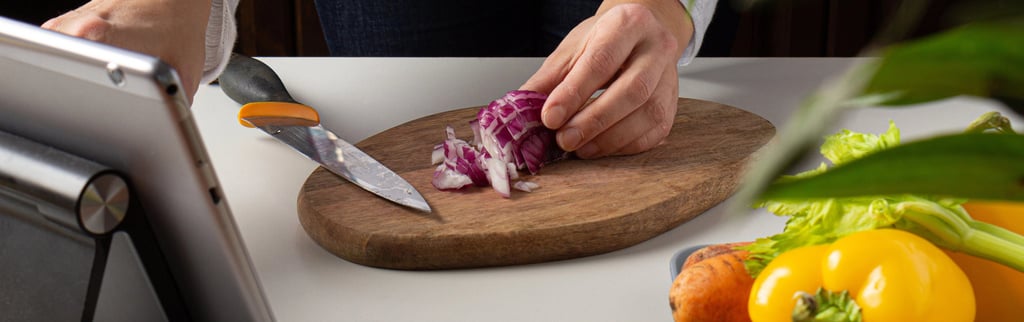




You can do it when you make it fun!
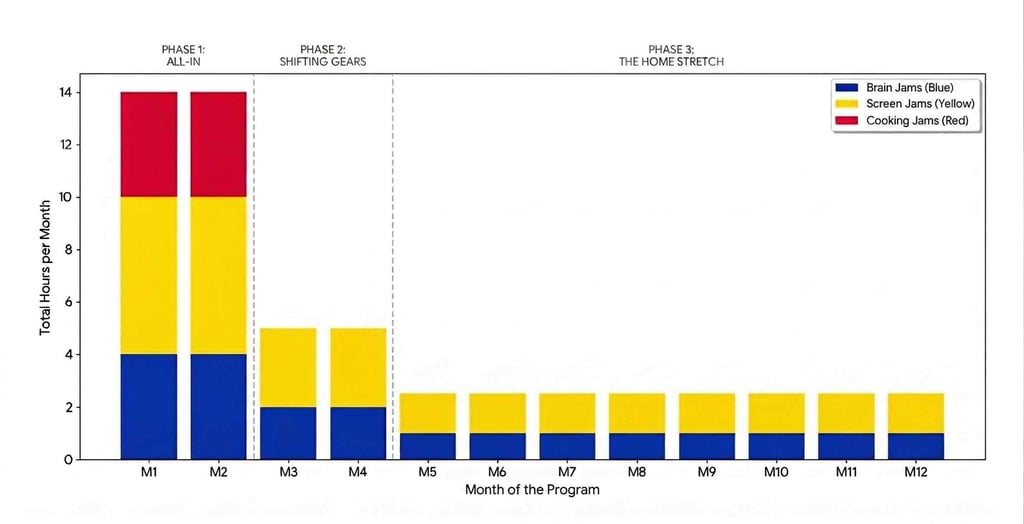
Not included above are optional Solo Jams or any extra Cooking Jams that may be added in months 3-12.

Make It Fun Health
You can do it when you Make It Fun!
🇺🇸 U.S. Military Veteran-Owned Business
© 2026. All rights reserved.
While we can help you eat better, fit into smaller clothes, and feel amazing, we aren't doctors. We don't even own stethoscopes (they're surprisingly cold). This info is for learning and not diagnosing. It doesn't replace professional medical or mental health advice, so please keep your doctor in the loop.